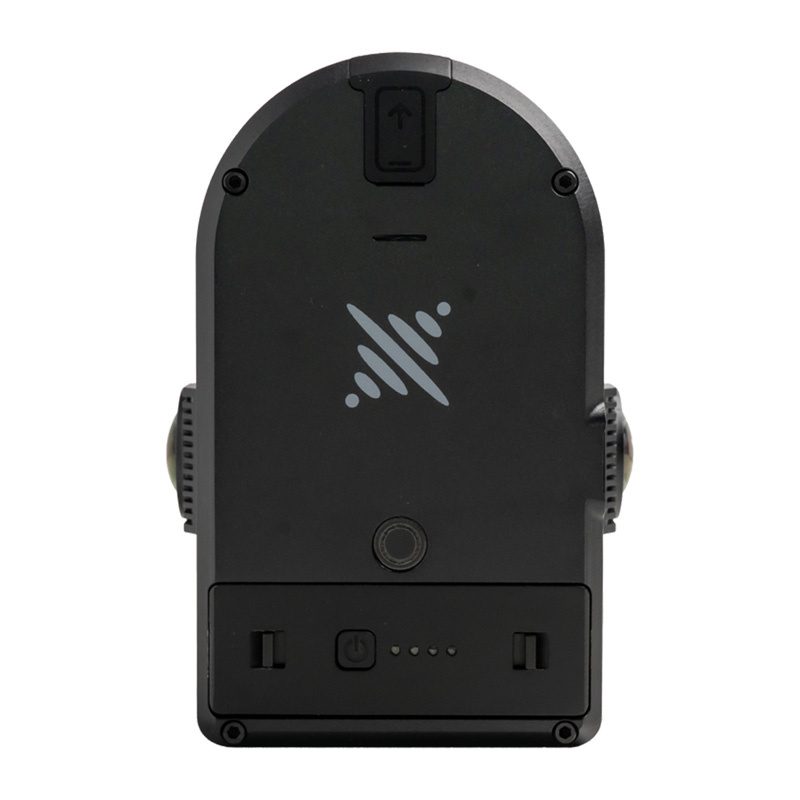
XGRIDS Portalcam Standard Kit
kr.52,320 við MVG
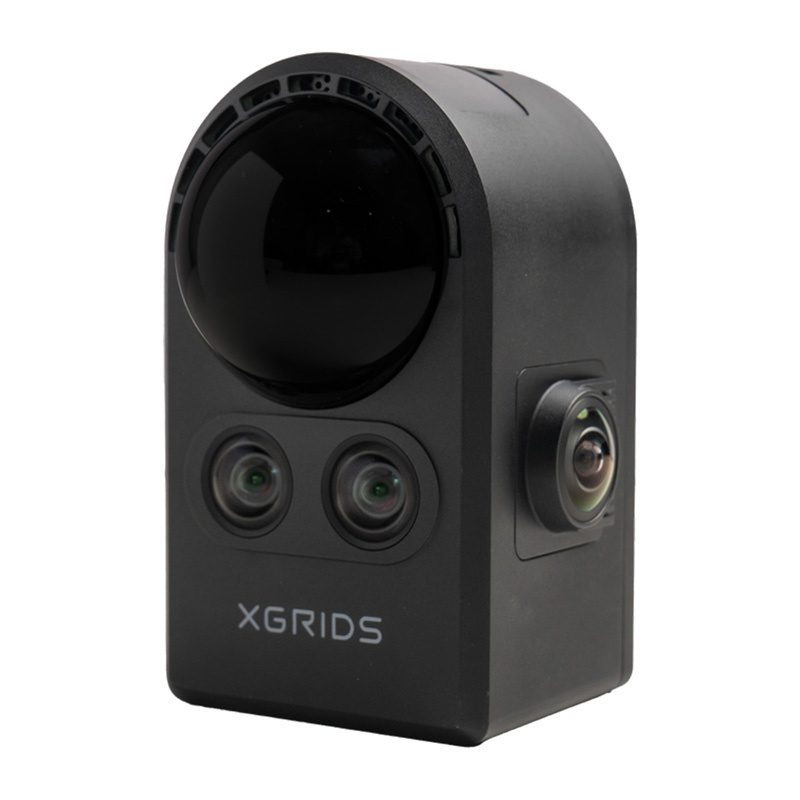
XGRIDS Portalcam Standard Kit XGRIDS’ PortalCam is the world’s first user-friendly spatial camera that revolutionizes the way 3D content is created.
9 in stock
Description
XGRIDS Portalcam Standard Kit
XGRIDS’ PortalCam is the world’s first user-friendly spatial camera that revolutionizes the way 3D content is created. It breaks with the tradition of flattening reality to two-dimensional images, enabling creators, real estate agents and even families to easily capture and share photorealistic, fully explorable 3D worlds. Based on groundbreaking 3D Gaussian Splatting technology, PortalCam delivers cinematic visual quality and spatial precision, opening the door to a new generation of immersive media for everyone.

Advanced technology, intuitive process
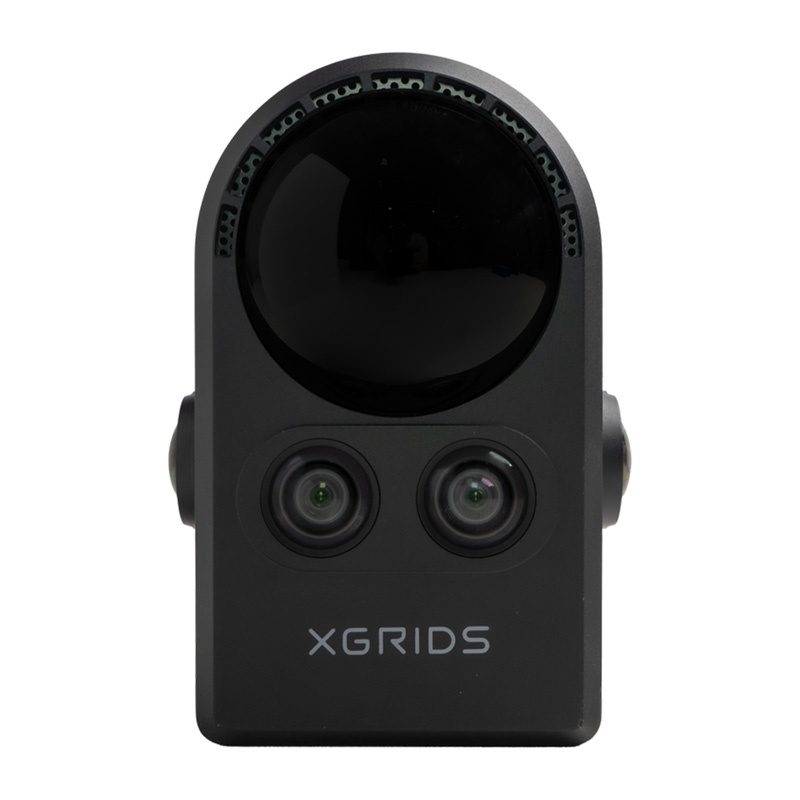
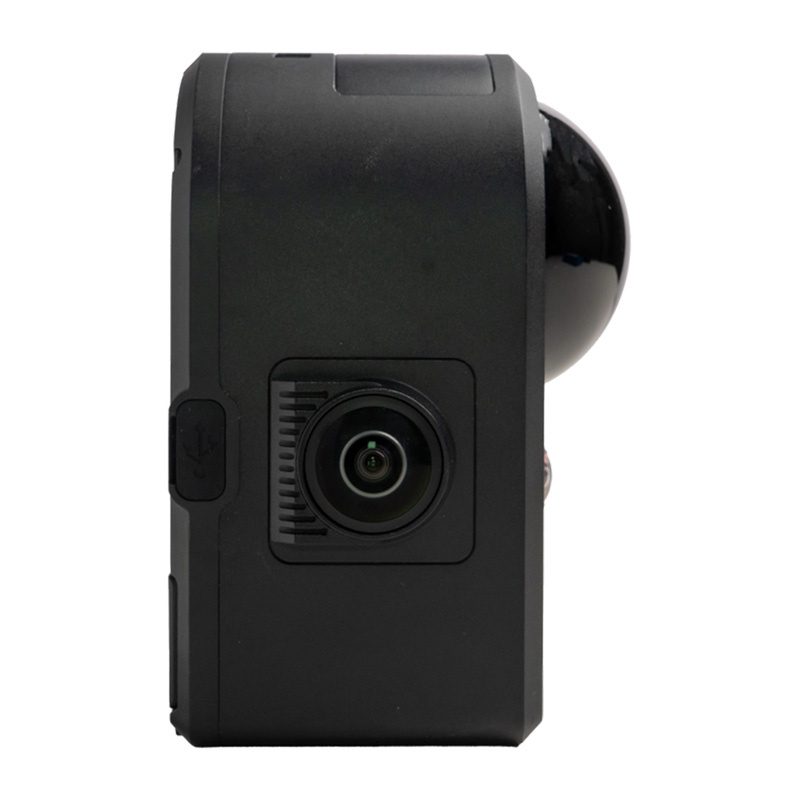
At the heart of the device is an advanced system that combines LiDAR technology with four cameras to accurately capture photorealistic 3D environments with XYZ spatial accuracy. The entire process is done at a walking pace – it takes just 15 minutes to scan a 280-square-meter space. The dedicated LCC Studio software then automatically processes the data, generating a finished 3D model in about 3 hours. Finished files are exported both in compressed LCC format and in standard .PLY and .OBJ formats, ensuring full compatibility with Unity, Unreal Engine and other professional tools.

Advantage over 3D scanners and 360° cameras
PortalCam is fundamentally different from existing solutions on the market. Unlike 360° cameras, which only capture panoramic images, PortalCam creates true 3D models with preserved, real proportions that can be freely explored. Unlike traditional 3D scanners, which require tripods and a complicated process of scanning from multiple positions, PortalCam captures data continuously while walking freely. Its priority is highest visual fidelity and seamless integration into the creative process, while maintaining practical spatial accuracy, which sets it apart from surveying devices where metric precision is key.

Transforming industries and everyday moments
PortalCam’s versatility allows it to revolutionize many sectors. In film and virtual production, it dramatically speeds up the set creation process, reducing costs and time. In real estate, it is redefining virtual walk-throughs, offering true 3D models instead of merged 2D photos. For VR/XR developers, it is becoming a tool to instantly create immersive worlds for platforms such as Apple Vision Pro and Meta Quest. What’s more, PortalCam allows you to preserve memories in a new form – enabling families to capture important moments, such as a wedding or a baby’s first steps, as fully 3D, interactive experiences.

Included
- PortalCam
- rechargeable battery
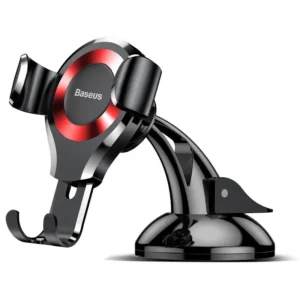
- phone holder
- tripod
- one-year LCC Studio Basic plan
General
| Manufacturer | XGRIDS |
|---|---|
| Model | PortalCam |
Physical
| Power consumption | <19 W |
|---|---|
| Weight of the device | 870 g (without tripod) |
| Dimensions | 130 × 90 × 77 mm |
| Housing material | aircraft-grade aluminum alloy |
Connectivity and memory
| Data interface | USB 3.0 |
|---|---|
| Internal memory | 512 GB |
| GPS module | Supported |
| Wi-Fi | 802.11 a/b/g/n/ac/ax2.4 GHz: 2412-2472 MHz5 GHz: 5180-5240 MHz5 GHz: 5745-5825 MHz |
| Bluetooth | 5.2 |
| Wireless range | up to 20 m |
Power system
| Battery type | replaceable Li-ion |
|---|---|
| Battery capacity | 23.04 Wh |
| Operating time | Up to 60 minutes (continuous scanning) |
| Charging time (25°C) | 0-90%: 70 min / 0-100%: 90 min |
| Operating temperature | -20°C to 45°C (indirect sunlight only) |
| Charging temperature | 5°C to 30°C |
LiDAR system
| Laser class | Class 1 / 940 nm |
|---|---|
| Scanning range | 0.1-30 m at 10% reflectivity up to 60 m at 90% reflectivity |
| Field of view | 180° azimuth × 180° elevation |
| Sampling rate | 856,000 points/second |
Camera system
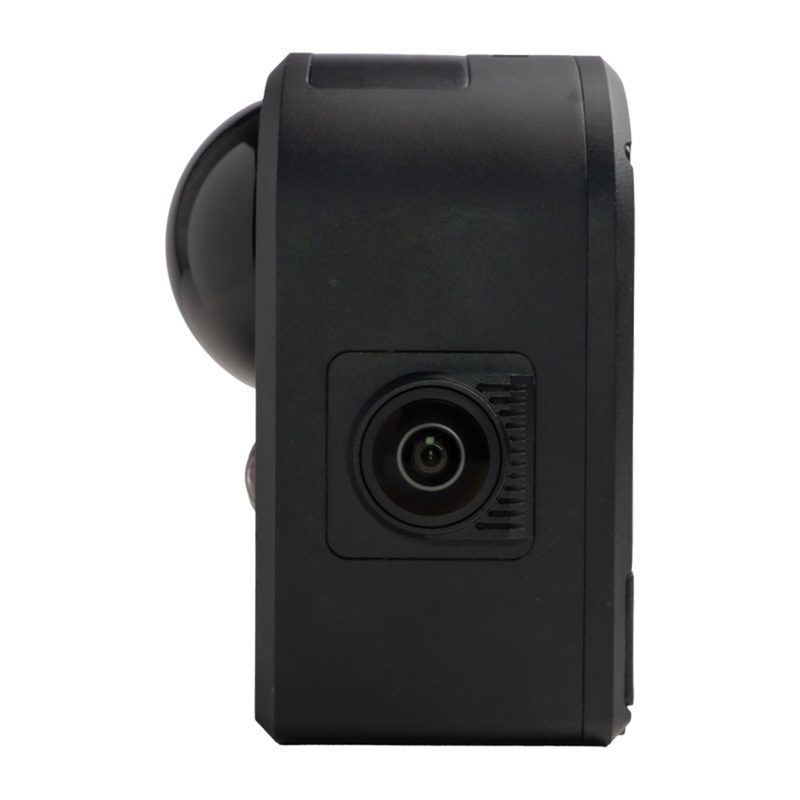
| Camera configuration | 4 camera system (2 × fisheye, 2 × front) |
|---|---|
| Image resolution | 4000 × 3000 px |
| Sensor size | 1/2″ CMOS |
| Shutter type | rolling shutter |
| Field of view of fisheye cameras | 200° × 200° (each) |
| Field of view of front cameras | 100° × 85° (each) |
Power supply
| Input | 100-240 V, 50-60 Hz, 1.5 A, 80 VA |
|---|---|
| Output | 20 V / 2.0 A |
| Rated power | PD protocol >25 WStandard: USB-C 45 W (single port)Dual mode: 25 W + 20 W. |